Published: 19 Apr 2026
- Release date: 2024
- Genre: Nonfiction, Economics
- Themes/Moods: Medium-paced, Informative, Reflective
- Rating: 3/5
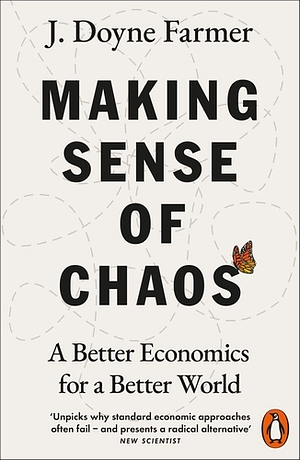
A solid, if unspectacular introduction to “complexity economics”, the attempt to marry chaos theory with economics. I’m always on board to read about a radical take about economics and challenging the economic orthodoxy head-on due to its generally poor (at least personally!) reputation as a science - even if does fall into the trap of “x field just doesn’t understand my greatness!” a little when reading - there’s plenty of anecdotes, tales, small slices of academic work, even a fully fledged Statistical Arbitrage fund built to give some credence to the underlying theories. Said array of evidence however does make the book feel a little dense, ramble-y and not always coherent, meaning you do have to do a little work to pick out some of the more interesting nuggets (e.g. Basel II bank regulations being a potential contributor to the 2008 crash, another perspective on why LCTM blew up and how it threatened to bring down the whole US financial system etc.) - and while I found the more “pure” economics-focused sections of the book to be the strongest (i.e. taking concepts from physics, biology, meteorology and applying them to economics), the other aspects (specifically the climate change focused section at the back-end) didn’t feel nearly as fleshed out, focusing purely on the technocratic elements and not giving much thought to the more human/political element required to make it work. A lot of the book though is legitimately interesting, and any attempt to drag economics out of the relative gutter of “soft science bluffing as a hard science” is personally welcomed.
